Ways to Repurpose Old Packaging and Cardboard: Practical, Creative, and Industry-Smart Ideas
Cardboard tubes stacked by the door. Bubble wrap in a drawer youll never open. A tower of delivery boxes you swear youll use, one day. Sound familiar? This guide shows you simple, smart, and surprisingly stylish ways to repurpose old packaging and cardboard, without the faff. You will save money, cut clutter, and do right by the planet. To be fair, its kinda wild how much value is hiding in what most people call waste.
What follows is a comprehensive, UK-savvy, SEO-friendly resource designed to help you turn boxes, mailers, paper, and padding into organisers, garden helpers, shipping kits, learning tools, and even low-cost insulation. We blend hands-on experience with current standards and best practice. Youll see why repurposing beats recycling in many everyday scenarios.
Table of Contents
- Why This Topic Matters
- Key Benefits
- Step-by-Step Guidance
- Expert Tips
- Common Mistakes to Avoid
- Case Study or Real-World Example
- Tools, Resources & Recommendations
- Law, Compliance or Industry Standards (UK-focused)
- Checklist
- Conclusion with CTA
- FAQ
Why This Topic Matters
Across the UK, cardboard and paper-based packaging are everywhere: food deliveries, retail parcels, moving boxes, subscription kits. According to WRAP and industry datasets, paper and cardboard enjoy some of the highest recycling rates in the UK, often north of 70%. That is good news. But its not the whole story. Repurposing extends the useful life of packaging before any recycling happens, cutting demand for virgin materials, transport, and reprocessing energy. In simple terms: use it again first, recycle second. Thats the waste hierarchy done right.
Ever tried clearing a room and found yourself keeping everything because it might be useful? With packaging, that instinct isnt half bad, as long as you apply intention. A box can be a storage cube. A tube can be cable management. A padded envelope can be a tool protector. A few smart projects, and your so-called trash becomes tools.
On a damp Thursday in London, a client told us you could almost smell the cardboard dust in the air as they unpacked new stock. They were drowning in boxes. Two weeks later, with a light process and a few labels, they were reusing most of them. Less waste, fewer new purchases, calmer storeroom. Clean, clear, calm. Thats the goal.
Key Benefits
- Immediate cost savings: Reuse shipping boxes, void fill, and mailers to cut packing-supply spend by 20-50% in small operations.
- Lower carbon footprint: Extending product life reduces demand for new pulp, water, and energy. Studies referenced by WRAP and the Ellen MacArthur Foundation show material reuse is a powerful lever in the circular economy.
- Faster organisation: Cardboard dividers, drawer inserts, and labelled bins make homes and studios neater within a morning.
- Creative learning: Kids projects, STEM builds, and art boards made from offcuts are cost-free and tactile.
- Garden boosts: Cardboard sheet mulching suppresses weeds, nurtures soil life, and breaks down cleanly when uncoated.
- Reduced clutter: A simple triage system turns chaos into a tidy, ready-to-use materials library.
- Compliance-friendly: For businesses, smarter reuse supports waste duty-of-care obligations and fits neatly with UK packaging guidelines.
Truth be told, it also just feels good not to waste. A small, practical win you can see each day.
Step-by-Step Guidance
Below are practical, repeatable methods to repurpose old packaging and cardboard. These are the everyday, no-fuss ways to start fast.
1) Set up a simple triage station
- Clear a surface: Kitchen table, garage bench, or a corner of the stockroom. Five minutes of clear space helps.
- Sort by size and type: Big sturdy boxes, medium boxes, small mailers, void fill (paper, bubble, foam), specialty (tubes, partitions, trays).
- Remove contaminants: Tape, labels, and plastic windows where possible. A sharp safety knife and patience go a long way.
- Flatten and stack: Flatten boxes to save space. Stack by category and label each pile.
- Set a use-by rotation: Oldest at the top. Commit to using your stockpile before buying new.
Micro moment: A client in Croydon stacked three neat piles labelled Ship, Store, and Craft. In a week, they stopped buying bubble wrap entirely, reusing paper and card instead.
2) Organisers and storage you can make in under an hour
- Drawer dividers: Cut cardboard strips to height, notch and interlock into a grid for socks, tools, or spices. Finish edges with paper tape for a clean look.
- Magazine or vinyl holders: Tilt-cut a cereal box into a standing file; wrap with brown paper for a studio-chic finish.
- Parts bins: Fold shallow trays for screws, SD cards, and craft bits. Label boldly. Youll thank yourself later.
- Wall-mounted cubbies: Glue reinforced boxes onto plywood backer, screw to studs. Great in workshops for cables and drill bits.
Tip: Use water-based PVA or starch glue to keep items more recyclable down the line. Avoid solvent-heavy adhesives where you can.
3) Shipping and e-commerce reuse
- Right-size your boxes: Resize by scoring and folding new corners (the box maker trick). Less void fill, lower postage.
- Protective wraps: Shred clean cardboard into crinkle fill or run sheets through a honeycomb perforator for premium-looking cushioning.
- Mailer reinforcements: Slip a panel of corrugated card inside envelopes for prints or documents. Add a handwritten note for warmth.
- Brand with honesty: A small note that says we reuse to reduce waste turns mismatched boxes into a sustainability statement.
Ever opened a parcel and smiled because the packer cared? Thats the reaction you want.
4) Garden and outdoor uses
- Sheet mulching: Lay uncoated, tape-free cardboard over weeds, overlap edges, wet thoroughly, and cover with compost or wood chips. Worms will do the rest.
- Path stabilisers: Under gravel or bark, cardboard suppresses weeds and evens footpaths. It was raining hard outside that day, but the path stayed tidy.
- Seedling labels: Cut into strips, write with a permanent marker, and compost at the end of the season.
- Slug collars: Short tubes around seedlings deter pests and wind for the first few weeks.
Safety note: Avoid glossy or heavily printed boards in soil; inks and coatings may not be garden-friendly unless specifically certified.
5) Insulation and sound-dampening
- Temporary window inserts: Corrugated panels cut to window recess reduce drafts in workshops or sheds. Not a substitute for proper insulation, but handy.
- Under-desk acoustic panels: Honeycomb or layered cardboard behind fabric to soften echo in recording corners.
- Floor protectors: Lay flattened boxes under ladders or furniture moves. Your future self will cheer.
Cardboard has decent R-value per thickness compared to thin plastics; its not structural insulation, but as a temporary layer it can make a noticeable difference.
6) Kids crafts, learning, and play
- STEM build kits: Gears from circles, axles from dowels or skewers, chutes for marble runs. Add a bit of tape and curiosity.
- Costumes and sets: Wings, helmets, city skylines. A roll of brown paper tape turns rough edges into something stage-ready.
- Art boards: Prime with gesso or white emulsion and paint away. Great for GCSE practice pieces.
- Quiet boxes: A single big box as a reading nook with fairy lights. Whisper-level calm on a rainy Sunday.
Yeah, weve all been there: the box is more fun than the toy.
7) Office and studio hacks
- Cable tamer: Toilet-roll tubes grouped in a shoebox; each cable gets a tube. Label with a marker.
- Monitor riser: Stacked, glued layers of corrugate under a plywood top. Ergonomic and tidy.
- Prototype models: For product designers, cardboard is unbeatable for quick scale models and user testing.
- Print backing: Use rigid panels for posting artwork or storing finished prints.
8) Events, signage, and gifting
- Pop-up signage: Layered boards with stencilled letters; seal with water-based varnish.
- Gift wrap and tags: Kraft paper from packing becomes rustic wrap; card offcuts make sturdy tags.
- Table risers: Stacked boxes under tablecloths for market displays; add stability with internal braces.
- Party games: Oversized dice, ring toss boards, or photo frames everyone fights over.
9) Pet care and enrichment
- Cat castles: Multi-level forts with ventilation holes. Sand edges for safety. Cats love the rustle.
- Foraging toys for dogs: Treats hidden in folded cardboard puzzles. Always supervise.
- Small animal tunnels: Tubes for hamsters or guinea pigs, checking for safe diameters.
Note: Keep away from moisture and monitor for chewing hazards.
10) Composting and brown material
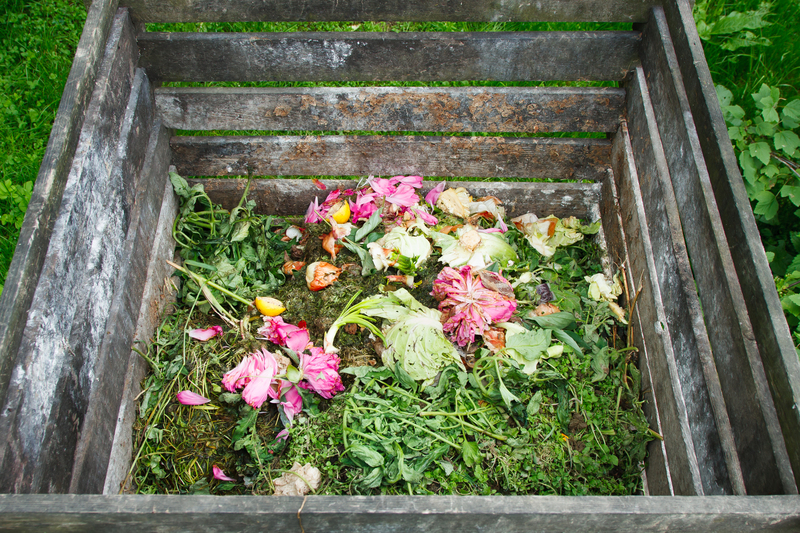
- Brown carbon source: Shred plain card to balance kitchen greens in your compost. Aim for a 2:1 browns to greens ratio by volume.
- Tea and coffee filters: Line a caddy with thin card to keep things tidy, composting it as you empty.
- Pizza box rule: Greasy sections are not great for recycling but can be composted in moderation if inks are minimal and non-plastic coated.
Composting turns would-be waste into soil vitality. It smells earthy, not trashy, if you keep the mix right.
Expert Tips
- Pick for structure: Double-wall or tri-wall boxes can be repurposed for shelving inserts or load-bearing storage.
- Chase the grain: Corrugated flutes have a direction; orient strength where you need it for risers and dividers.
- Keep it dry: Moisture means mould. Store your materials off concrete on pallets or battens.
- Label boldly: A marker note like For returns or For crafts stops overthinking and speeds decisions.
- Use paper-based tapes: Water-activated or kraft tapes are strong and kinder to recyclers later.
- Mind coatings: Foil-lined and plastic-laminated cards are harder to recycle; assign these to long-term reuse or specialist streams.
- Test weight limits: Load a shelf slowly, listen for creaks, and build a margin of safety.
- Batch your making: Cut ten dividers at once. Efficiency breeds consistency.
Small aside: youll notice your patience goes up when your knife is sharp. Fresh blades, fewer tears.
Common Mistakes to Avoid
- Keeping everything: Set a cap. For most households, 5-10 flat boxes, a handful of mailers, and one bin of offcuts is plenty.
- Storing damp material: Cardboard wicks moisture. Damp leads to odour and silverfish. Dry it or recycle it fast.
- Ignoring contamination: Oil, food, and heavy inks reduce reuse options. Cut out clean areas and compost or recycle the rest appropriately.
- Over-gluing: Excess glue makes later recycling tougher. Use mechanical joins or minimal adhesive when you can.
- Fire risk: Stacks of boxes near heaters or sockets are a no. Maintain clearances and keep volumes modest.
- Wrong box for the job: Shipping fragile goods in a tired box invites breakage. Be selective and test.
- Skipping labels: Unlabelled piles just become mess. Ten seconds with a marker saves hours.
It only takes one soggy box to ruin the mood. Better to be choosy.
Case Study or Real-World Example
1) Independent cafe in South London
Context: A cafe on a busy high street received daily deliveries: milk, bakery goods, produce. Boxes piled up behind the counter, sometimes blocking a fire door. Not ideal.
Action:
- Set up a triage corner near the back door with three labelled stacks: Reuse (sturdy, clean), Garden (for sheet mulching with a local allotment), Recycle (flattened).
- Cut select boxes into counter organisers for lids, napkins, and syrups; wrapped in kraft paper for a neat look.
- Turned a set of large boxes into temporary under-counter risers to store bulk items off the floor.
- Gave excess clean boxes to regulars on moving weekends via a small sign by the till.
Result: Back-of-house clutter reduced by roughly 70%, fewer new containers purchased, and a nice community touch (customers asked for boxes weekly). You could almost hear the quiet after service ended.
2) Small e-commerce studio in Manchester
Context: A niche print seller shipped 50-100 orders a week. Packaging costs were creeping up and, honestly, the stockroom looked like a Jenga tower.
Action:
- Introduced right-sizing by cutting tall boxes down to fit A3 prints.
- Reused paper padding and added a note explaining the sustainability choice.
- Created cardboard print stiffeners from offcuts and kept them in a labelled bin.
- Recorded breakage and return rates monthly to ensure quality.
Result: Packaging spend dropped 28% over three months, no increase in damages, and positive customer feedback on reuse. A tidy process replaced guesswork.
Tools, Resources & Recommendations
Basic tools
- Safety knife with snap-off blades
- Metal ruler and cutting mat
- Paper-based tape (water-activated or kraft)
- Water-based PVA or starch glue
- Marker pens, labels, and a simple date stamp
- Gloves and eye protection for heavy cutting
Optional upgrades
- Cardboard perforator or shredder for void fill
- Corner clamps or jigs for neat 90-degree builds
- Honeycomb board or double-wall sheets for stronger projects
- Moisture meter if youre storing significant volumes
Trusted resources
- WRAP: Guidance on waste reduction and reuse best practice across the UK.
- Recycle Now: What can be recycled locally; practical tips on preparation.
- OPRL (On-Pack Recycling Label): Decoding recyclability labels found on packaging.
- BSI/EN Standards: BS EN 13432 for compostable packaging; check claims if youre adding packaging to compost.
- HSE: Safety advice for cutting tools and minimising fire risk in storerooms.
- Ellen MacArthur Foundation: Circular economy frameworks that support reuse-first thinking.
These references keep you grounded in what actually works and whats compliant. Authority matters.
Law, Compliance or Industry Standards (UK-focused if applicable)
While households have broad freedom to repurpose packaging, businesses should align with UK legislation and sector standards. Heres the short, useful version.
- Waste hierarchy: UK policy prioritises prevention and reuse before recycling and disposal. Repurposing packaging on-site follows this hierarchy well.
- Duty of care (Environmental Protection Act 1990): Businesses must store and handle waste safely and transfer it only to authorised carriers. Keeping a reuse station tidy and dry helps demonstrate responsible management.
- Packaging Waste: Producer Responsibility: UK producers must report packaging data; reforms toward Extended Producer Responsibility are ongoing. As of 2025, data reporting remains mandatory; full fee changes are expected to phase in thereafter. Reuse supports reduction targets and can improve reported metrics.
- OPRL labelling: If you ship products, align with OPRL guidance to avoid confusing customers. If you reuse boxes, a simple card insert can explain your approach.
- Fire safety: The Regulatory Reform (Fire Safety) Order applies to non-domestic premises. Avoid storing large volumes of cardboard near ignition sources; keep escape routes clear.
- Compostability claims: Only packaging meeting BS EN 13432 should be described as compostable; home compostability is stricter and not guaranteed even if industrially compostable.
- Food contact: Do not reuse packaging that previously contacted allergens or raw foods for new food contact unless it is clearly food-safe and traceable.
In our experience, a short written procedure (how you sort, what you keep, what you recycle) and a couple of photos of your setup make audits painless. Simple, human, and compliant.
Checklist
- Space: Clear a 1-2 metre area for sorting. Off the floor if possible.
- Sort: Group by size, strength, and cleanliness.
- Clean: Remove tape, labels, and plastic windows where feasible.
- Decide: Assign to Ship, Store, Craft, Garden, or Recycle.
- Label: Date stacks. Oldest used first.
- Use limits: Cap your quantities to avoid hoarding.
- Safety: Keep dry, away from heat; store upright or flat to avoid collapse.
- Track: Note savings or avoided purchases monthly. Motivation matters.
- Review: Every quarter, reset the system and clear what you havent used.
Keep it light. Keep it doable. Progress beats perfection every time.
Conclusion with CTA
Repurposing old packaging and cardboard is more than a crafty weekend. Its a practical, money-saving, planet-helping habit you can start today. You dont need fancy tools, just intention. Pick three ideas from this guide, set up a small triage station, and in a week youll see the difference: fewer purchases, fewer bin runs, more calm corners.
From home nooks to busy stockrooms, these ways to repurpose old packaging and cardboard give you options. Honest ones. Useful ones. And if you make it a team habit, it sticks.
Get a free quote today and see how much you can save.
And take a breath. Youre doing something good, visible, and kind to the place we all share.
FAQ
What are the easiest beginner projects for reusing cardboard?
Start with drawer dividers, seedling labels, and print stiffeners. They take minutes, use basic tools, and deliver immediate wins without mess.
Is it safe to use printed cardboard in the garden?
Plain, uncoated cardboard is best. Lightly printed boxes are usually fine for sheet mulching, but avoid glossy, laminated, or foil boards unless certified. When in doubt, keep it out of the soil.
Can greasy pizza boxes be recycled or should I compost them?
Greasy sections typically cant be recycled because of contamination. Tear off clean tops for recycling and compost greasy bottoms in moderation if inks are minimal and theres no plastic liner.
How do I keep repurposed cardboard from going mouldy?
Store in a dry, ventilated place off concrete floors. Avoid damp basements, and rotate stock so older pieces get used first. If it smells musty, recycle or compost it.
Will customers mind receiving reused packaging?
Most customers appreciate it when you explain why. Add a friendly note about reuse reducing waste and cost. Many brands get positive feedback and repeat orders because of this transparency.
What tapes and glues are best if I want later recyclability?
Use paper-based, water-activated tapes and water-based PVA or starch glues. They perform well and are easier for recyclers to manage than solvent-heavy options.
Can I use old boxes for insulation?
For short-term or supplemental use in sheds, workshops, or under desks, yes. Cardboard adds a small thermal and acoustic buffer. It is not a substitute for certified building insulation in habitable rooms.
How many boxes should I realistically keep at home?
For most homes: 5-10 flattened boxes, a handful of mailers, and one small bin of offcuts. If you havent used them in three months, recycle or pass them on.
Are there UK rules about reusing packaging for business shipping?
Yes. Follow duty of care for waste, ensure packages are fit for purpose, and use clear labels. If you make compostability or recyclability claims, align with BS EN 13432 and OPRL guidance. Keep escape routes clear per fire safety requirements.
How do I avoid over-collecting and clutter?
Set category caps, label them, and review monthly. If your Reuse stack isnt moving, trim it. A quick photo inventory helps keep you honest.
What can I do with bubble wrap and padded mailers?
Reuse them for fragile shipments or as tool and gadget protection. If recycling locally is tricky, prioritise reuse and reduce future purchases by using paper void fill where possible.
Any creative gift ideas using repurposed packaging?
Make rustic gift wrap from kraft paper, sturdy tags from offcuts, and custom boxes sized to your gift. Add a handwritten note about the reuse and it becomes part of the story.
How can schools use old packaging productively?
STEM projects (bridges, vehicles, prototypes), art boards, storage cubbies, and theatre props. With clear safety rules and a tidy materials station, cardboard becomes an all-term resource.
Is all cardboard compostable?
Plain, uncoated cardboard generally is. Laminates, waxed boards, and heavy inks complicate things. Shred or tear to speed breakdown and balance with green materials in your compost.
Do I need special tools to resize boxes for shipping?
No. A sharp knife, a ruler, and a scoring tool (even a blunt butter knife) will do. Score, fold, and tape new corners. Practice once and its second nature.
What if I dont have space to store lots of boxes?
Flatten and keep only a slim stack in a wardrobe or under a bed. Alternatively, agree swaps with neighbours: you keep mailers, they keep large boxes. Community sharing works wonders.
Where should I look for extra packaging to reuse, legally and safely?
Ask local shops for clean boxes, especially on delivery days. Many are happy to pass them on. Avoid bins that could contain contaminated materials. Keep it polite and above board.
Final thought: Start small, stay kind to yourself, and let reuse become a quiet habit. It adds up. It really does.